Skip to content
Maxrelax Oneite Corporate & Event
  • Home
  • About
  • Services Offered
    • Corporate Chair Massage
    • Chair Yoga Classes
    • Yoga Classes
    • Meditation Classes
    • Conventions & Trade Shows
    • Bachelorette/Wedding Parties
    • Private Events
    • FAQ
  • Partner Referral Program
  • Book Your Event!
  • Contact
  • Careers
  • Leave A Review!
  • Wellness Tips
    • Workplace Wellness
    • Corporate Chair Massage
    • HR Resources
    • Stress & Pain Relief
    • Event Wellness
    • Metro Atlanta Wellness
    • Industry Insights

Stress Relief Programs Archives - Maxrelax Oneite Corporate & Event

  • Home
  • Corporate Chair Massage /
  • Archive for category "Stress Relief Programs"
Facebook-f Instagram Linkedin-in
  • September 5, 2023

Finding Inner Peace through Yoga and Meditation

In our increasingly busy and chaotic world, finding inner peace is a precious gift we can give ourselves. Yoga and meditation, ancient practices that have stood the test of time, offer a path to inner tranquility, balance, and a profound sense of well-being. In this exploration, we will delve into the transformative journey of discovering inner peace through the harmonious union of yoga and meditation.

Yoga: A Gateway to the Self

Yoga, with its origins rooted in India thousands of years ago, is a holistic practice that seeks to unite the mind, body, and spirit. It serves as a powerful gateway to inner peace through various means:

  1. Physical Balance: The practice of yoga postures (asanas) encourages physical balance and strength. As you become attuned to your body’s movements and sensations, you begin to inhabit the present moment fully.
  2. Breath Awareness: Yoga emphasizes the importance of breath control (pranayama). Conscious and controlled breathing deepens the connection between mind and body, promoting relaxation and reducing stress.
  3. Mindful Presence: Through yoga, you learn to be fully present on the mat, cultivating mindfulness. This presence gradually extends to other aspects of your life, allowing you to approach challenges with equanimity.
  4. Emotional Release: Yoga provides a safe space to release stored emotions and tensions held within the body. The practice allows you to process and let go, creating room for peace to flourish.

Meditation: The Sanctuary Within

Meditation is the art of turning inward, quieting the mind, and finding a profound sense of stillness. It serves as a complementary practice to yoga in the pursuit of inner peace:

  1. Mind Mastery: Meditation is the practice of observing your thoughts without judgment. Over time, you gain mastery over the mind, realizing that you are not your thoughts. This detachment from thoughts fosters inner peace.
  2. Stress Reduction: Regular meditation reduces stress by calming the sympathetic nervous system, leading to a sense of tranquility and emotional balance.
  3. Emotional Resilience: Meditation equips you with emotional resilience. You learn to respond to life’s challenges with clarity and grace rather than reacting impulsively.
  4. Connection with Spirit: For many, meditation is a spiritual practice, allowing a connection with a higher self or a universal consciousness. This connection can offer profound inner peace and a sense of purpose.
The Synergy of Yoga and Meditation

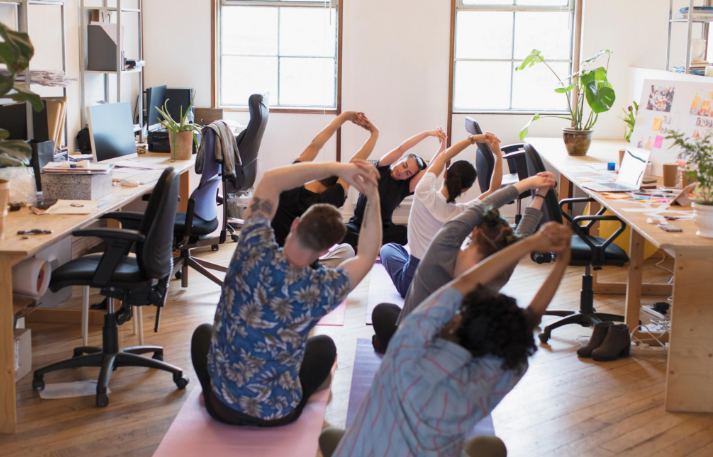
When combined, yoga and meditation create a harmonious synergy that enhances their individual benefits:

  • Physical and Mental Wellness: Yoga prepares the body for meditation, making it easier to sit comfortably for extended periods. In turn, meditation deepens the mental and emotional benefits of yoga.
  • Deepened Awareness: The mindfulness cultivated in yoga carries seamlessly into meditation, making the mind more receptive to inner peace.
  • Self-Discovery: The combined practice facilitates profound self-discovery and personal growth, allowing you to uncover your true self and find lasting inner peace.

Conclusion

The path to inner peace through yoga and meditation is a transformative journey. It involves a commitment to self-care, self-awareness, and self-compassion. As you integrate these ancient practices into your life, you’ll discover that inner peace is not a distant goal but a present reality, a sanctuary within you waiting to be embraced. With patience, dedication, and an open heart, you can find profound and lasting peace amid the chaos of the world.
Read More
  • September 5, 2023

Yogic Breathing Techniques (Pranayama)

In the vast realm of yoga, the significance of breath is paramount. Pranayama, the art of controlled and mindful breathing, is an integral component of the yoga practice. Prana, often referred to as life force or vital energy, is believed to flow through the breath. In this exploration, we will delve into the world of pranayama, uncovering its techniques and the profound benefits it offers for physical and mental well-being.

The Basics of Pranayama

Pranayama, derived from two Sanskrit words, “prana” (life force) and “ayama” (control or extension), is the practice of consciously regulating the breath. It is a fundamental aspect of yoga, connecting the physical body with the mind and spirit.

1. Diaphragmatic Breathing (Dirga Pranayama)

Diaphragmatic breathing, also known as belly breathing, is a foundational pranayama technique. It involves breathing deeply into the abdomen, allowing the diaphragm to expand and contract fully. This technique promotes relaxation, reduces stress, and increases oxygen intake.

2. Ujjayi Breath

Ujjayi breath, often referred to as “ocean breath,” involves breathing through the nose with a slight constriction in the back of the throat. This creates a soft, audible sound resembling ocean waves. Ujjayi breath is commonly used in Vinyasa and Ashtanga yoga practices to help maintain focus and regulate the flow of energy.

3. Nadi Shodhana (Alternate Nostril Breathing)

Nadi Shodhana is a balancing pranayama technique that involves alternating breath between the left and right nostrils. This practice aims to harmonize the two hemispheres of the brain, promoting mental clarity, balance, and relaxation.

4. Kapalabhati (Skull Shining Breath)

Kapalabhati is an energizing pranayama technique that involves forceful exhalations through the nose while keeping the inhalation passive. It is believed to cleanse the respiratory system, invigorate the body, and clear the mind.

5. Bhramari (Bee Breath)

Bhramari is a calming pranayama technique where the practitioner exhales while making a humming sound similar to a bee. This practice is soothing and can help reduce anxiety and tension.

6. Anulom Vilom (Alternate Nostril Breathing with Retention)

Anulom Vilom is a more advanced variation of Nadi Shodhana. It includes breath retention after inhalation and exhalation, allowing for a deeper experience of energy regulation and balance.

Benefits of Pranayama

The regular practice of pranayama offers a plethora of physical, mental, and emotional benefits:

  • Stress Reduction: Pranayama calms the nervous system, reducing stress and anxiety.
  • Enhanced Concentration: Controlled breathing techniques improve focus and mental clarity.
  • Improved Lung Function: Pranayama increases lung capacity and oxygen intake.
  • Emotional Balance: It can help manage emotions and promote a sense of inner peace.
  • Better Sleep: Pranayama practices before bedtime can improve sleep quality.
  • Enhanced Self-Awareness: Mindful breathing fosters self-awareness and mindfulness.

Conclusion

Pranayama is a profound practice that deepens the connection between mind, body, and spirit. Whether you’re a seasoned yogi or new to the practice, incorporating pranayama techniques into your daily routine can unlock a world of physical and mental well-being, providing a pathway to balance, peace, and vitality. Embrace the power of your breath and let pranayama guide you on your journey to a healthier and more harmonious life.

Read More

SUBSCRIBE NOW

Get the Latest Updates With Our Newletter

  • About Us
  • FAQ
  • Book Your Event!
  • Leave A Review!
  • Careers
  • Contact Us
Facebook-f Instagram Linkedin-in
© 2025 MaxRelax Onsite | All Rights Reserved
Privacy Policy

© 2025 MaxRelax Onsite | All Rights Reserved